Trains, driving, guided tours, and how to choose the best option
Plan your visit to Lake Como
A day trip from Milan to Lake Como delivers dramatic alpine backdrops, elegant villas, and storybook towns like Bellagio and Varenna. Expect a mix of scenic boat rides, cobbled lanes, and relaxed lakeside lunches. The lake looks compact on a map, but transfers take time, so choosing the right base town and sequencing your stops well is what makes the difference between a rushed checklist and a relaxed, photogenic day.
Essential info at a glance
- Distance from Milan: ~50–80 km depending on route (Como / Bellagio side)
- Travel time: ~1–1.5 hours by bus or train to Como; longer (2–3 hrs) if covering Bellagio or Lugano
- Best way to go: Guided day trips = easiest. Direct transport + ferry/boat included, no logistics stress
- What makes it special: The lake views are best seen from the water, boat cruises are the highlight, not optional
- What you’ll actually see: Most trips cover Como town + Bellagio; some extend to Lugano (Switzerland) or scenic train routes
- Time needed: Full day (10–12 hours). Not a half-day destination from Milan
- When to go: April–October = best weather + ferry frequency; Winter = quieter, but fewer connections and limited boat schedules
- Book ahead or not? Yes in peak season (May–Sep). Boat slots and Bellagio visits fill up quickly
- Disclaimer: You won’t “see all of Lake Como.” Day trips focus on 2–3 key stops, not the entire lake
- Who it’s best for: First-time visitors who want a structured, scenic overview without planning transport
Everything you need to know about visiting Lake Como
🧭 Getting there from Milan
🌊 What will you see?
🗓️ Typical day itinerary
🌤️ Best time to visit
🚤 Getting around Lake Como
🎒 How to prepare
🍝 Eat, shop & stay
💡 Local tips
Getting to Lake Como from Milan
By public transport (train + ferry/bus)
- How it works: Take a train from Milano Centrale to Como S. Giovanni (≈40 minutes) or to Varenna-Esino (≈1 hour)→ then ferry or bus to towns like Bellagio
- Time taken: ~40–60 mins to Como | ~1–2 hrs total to Bellagio
- Cost: €5–€15 (train) + €5–€15 (ferry/bus)
- Frequency: Trains every 20–40 mins; ferries every 20–60 mins (seasonal)
- What to expect: Multiple transfers. Queues at ferry docks in peak hours.
- Pros: Cheapest option with frequent trains and scenic ferry rides
- Cons: Figuring routes, connections, and tickets; waiting time can eat into your day
By car
- How it works: Drive from Milan directly to Como / Bellagio
- Time taken:~1–1.5 hours (can stretch with traffic)
- Cost: Fuel + tolls + parking (€2–€4/hr typical parking)
- What to expect: Scenic but narrow, winding roads near the lake
- Pros: Full flexibility to explore towns and hidden spots at your own pace
- Cons: Parking is limited and driving near the lake can be stressful
💡 Local tip: Avoid driving into Bellagio in peak months — park outside and walk in
🚌 By organized day tours (recommended)
- How it works: Direct AC coach from Milan + pre-planned stops + included boat cruise
- Time taken: Full-day experience (10–12 hours)
- Cost: Higher upfront, but includes transport + cruise
- What to expect: No planning needed. Fixed itinerary covering Como, Bellagio, and sometimes Lugano
- Pros: Easiest option with transport, route, and boat cruise all handled
- Cons: Fixed schedule with less flexibility at each stop
💡 Local tip: Good tours are sequenced smartly — they start early and cover farther stops first to avoid ferry backtracking
💡 Local tip: If you're DIY-ing, start from Varenna if you want a quieter, more scenic entry; Como is better connected but busier. Also, buy ferry tickets as soon as you arrive, especially in summer return sailings sell our fast.
What will you see on a Milan to Lake Como day trip
1/8
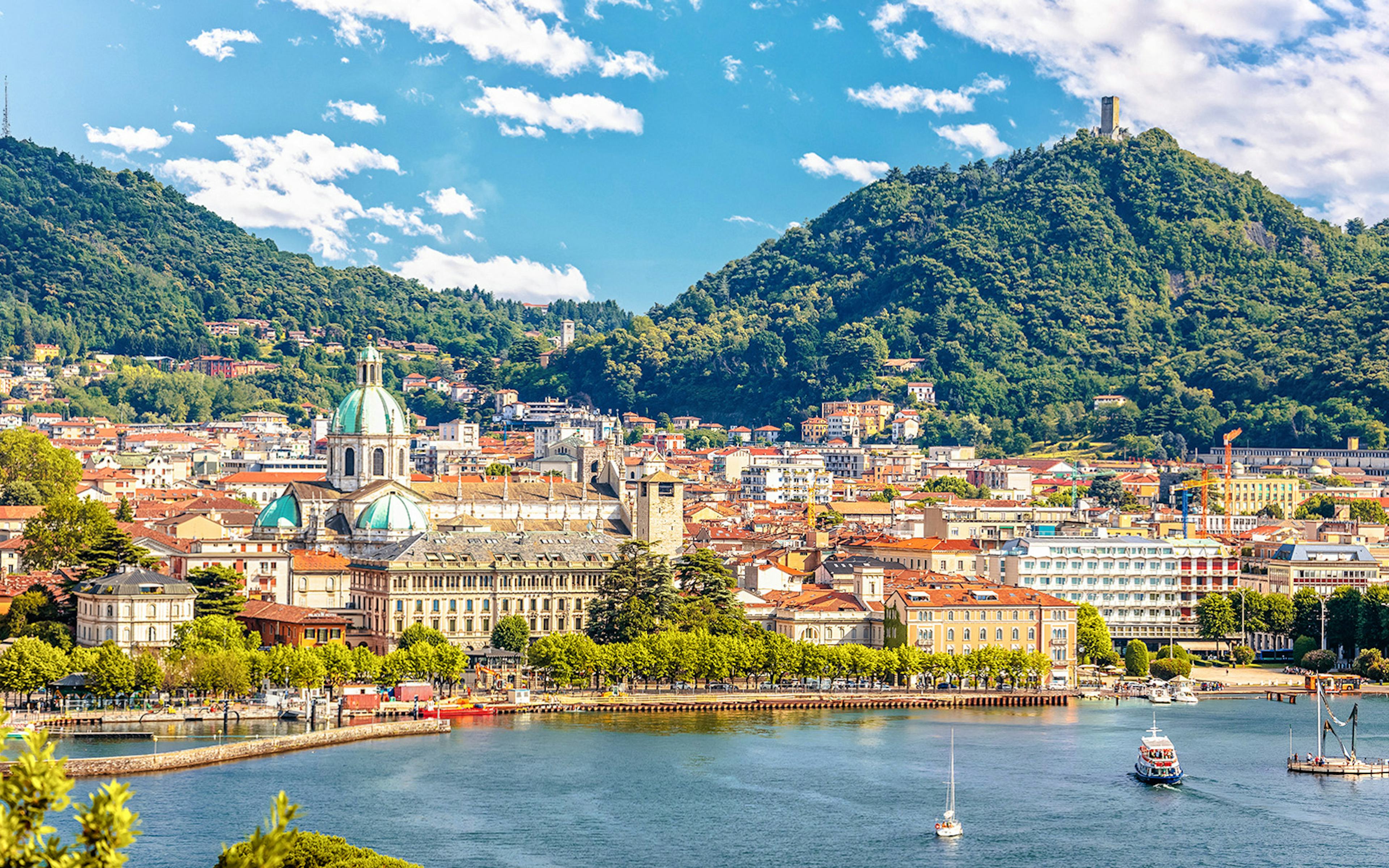
Como
Lake Como’s main gateway town, home to a striking lakeside cathedral, lively piazzas, and ferry links that connect you to the lake’s iconic villages.
Lake Como itself (the highlight)
Wide alpine lake views, pastel towns, and historic villas — best experienced on a boat cruise, not from land
Bellagio
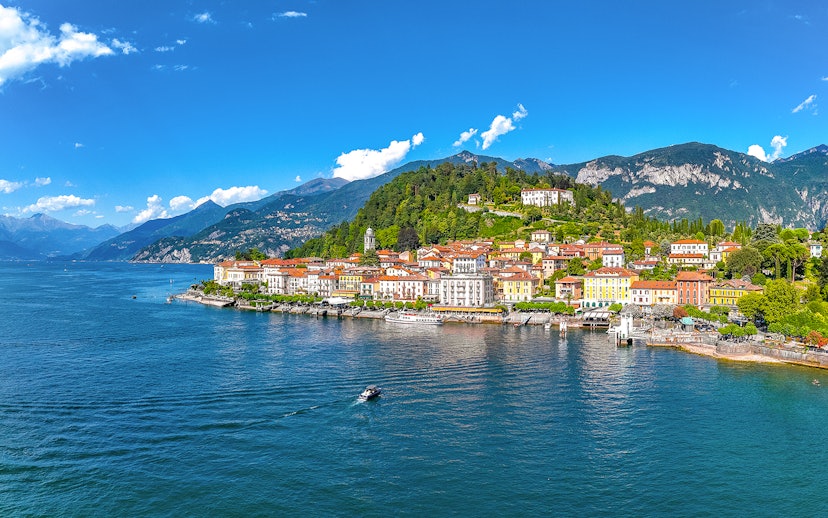
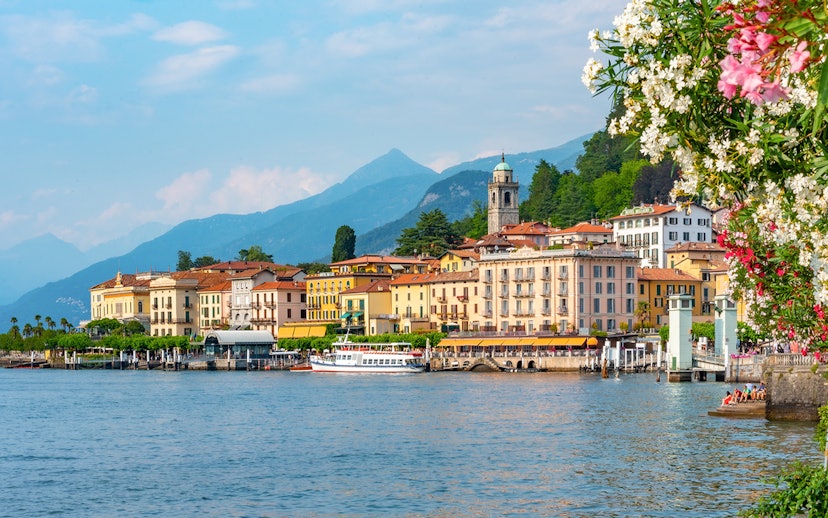
The lake’s most famous village, where pastel houses, waterfront promenades, and mid-lake views create the classic Lake Como postcard setting.
Varenna
A romantic lakeside village with colorful façades and scenic walkways, offering a quieter contrast to Bellagio’s busier atmosphere.
Lugano
A Swiss lakeside city often included in extended tours, offering alpine scenery, upscale shopping streets, and a cross-border cultural contrast.
Bernina Red Train (on selected tours)
A scenic alpine train ride through glaciers and mountain passes — more about the journey than the lake itself
Villa Monastero
A lakeside botanical garden and historic residence, perfect for strolling among terraces, statues, and panoramic views across the central lake.
Villa Melzi Gardens
Elegant waterfront gardens in Bellagio featuring sculptures, exotic plants, and peaceful walking paths ideal for a relaxed mid-day escape.
A typical Milan to Lake Como day trip
- 🕗 Early morning: Leave Milan
Depart around 7–9am by coach or train toward the lake (Como or Varenna side) - ☕ Mid-morning: First lakeside stop
Arrive in a town like Como or Varenna
Short walk, coffee by the water, quick orientation of the area - 🛥️ Late morning: Get on the water
Boat or ferry ride across Lake Como — this is the highlight
You’ll pass villas and lakefront towns that aren’t accessible by road - 🍝 Early afternoon: Bellagio stop
Free time for lunch, strolling cobbled streets, and lake views
This is usually the longest and most “complete” stop of the day - 🌿 Mid-afternoon: Optional second stop or gardens
Some itineraries include another town (like Varenna) or a quick villa/garden visit - 🚌 Late afternoon: Head back
Return via ferry + coach/train toward Milan - 🕗 Evening: Arrive in Milan
Back by ~6:30–8:30pm depending on route and traffic
Best time to visit Lake Como
Peak season (June – August)
- Weather: Warm and sunny (22–28°C) — best for boat rides and lakeside dining
- What to expect: Lake Como at its busiest. Bellagio and Varenna get crowded by late morning, ferries fill up midday, and villas like Villa del Balbianello need advance booking. Tours from Milan sell out fast and prices are highest.
- What to do: Ferry-hop between Como and Bellagio, take a lake cruise, and explore gardens in full bloom
- Best for: Classic summer views and full access to all routes and experiences
Shoulder season (April – May, September – October)
- Weather: Mild (15–22°C) — ideal for walking and ferry rides without the heat
- What to expect: Fewer crowds, smoother ferry boarding, and more space in towns like Como. Gardens bloom in spring and turn golden in autumn. Most attractions stay open, but swimming is limited.
- What to do: Stroll Como, ferry to Bellagio, and visit villas without long queues
- Best for: Balanced weather, lighter crowds, and better value
Off-season (November – March)
- Weather: Cool (5–12°C), often misty with snowy alpine backdrops
- What to expect: Reduced ferry schedules and some villa closures, but far fewer crowds and lower prices. Train access from Milan remains easy, but lake hopping is limited.
- What to do: Explore Como’s lakeside and cathedral, enjoy quiet cafés, and take in moody winter views
- Best for: Peaceful, budget-friendly visits without the crowds
How to get around in Lake Como
Lake Como’s historic centers are compact, but hills and cobblestones are common.
Towns like Bellagio and Varenna are best explored on foot, especially along waterfront promenades and old lanes. However, steep staircases and uphill paths can slow you down, particularly in summer heat.
- Time: 10–20 mins across town centers
- Cost: Free
- Best for: Scenic strolls, photography, relaxed exploring
- Cons: Steep terrain, uneven cobblestones
Tip: Combine walking with ferries to avoid uphill climbs between towns.
The backbone of transport between Lake Como towns.
Public ferries connect Como, Bellagio, and Varenna in a mid-lake triangle. Hydrofoils are faster; standard boats are slower but more scenic. Essential for town-hopping without driving.
- Time: 15–60 mins between towns
- Cost: €10–€20 depending on route
- Pros: Scenic, avoids road traffic
- Cons: Crowded midday; reduced winter schedules
Tip: Travel early morning or late afternoon to avoid peak ferry queues.
Local Buses (ASF Autolinee)
Budget option for reaching towns beyond ferry routes.
Buses connect Como with northern villages and inland areas. Useful if you’re heading away from the lakefront, but less convenient for classic mid-lake routes.
- Time: 20–60 mins depending on distance
- Cost: €2–€5
- Pros: Affordable, covers gaps ferries don’t
- Cons: Traffic delays, limited frequency
Tip: Use buses for inland villages; rely on ferries for lakefront towns.
Fast but expensive for short hops.
Available near train stations and major piazzas, taxis help skip uphill walks or tight ferry connections. Availability drops in smaller villages and late evenings.
- Time: 10–25 mins per ride
- Cost: €15–€40 per trip
- Best for: Time-saving transfers, small groups
- Cons: Expensive; limited supply in peak months
Tip: Reserve in advance during summer weekends.
Flexible but challenging in peak season.
Driving allows access to smaller lakeside villages and mountain viewpoints. Roads are narrow and winding, and parking fills quickly in Bellagio and Varenna.
- Time: Flexible
- Cost: Rental + fuel + €10–€25 parking
- Best for: Multi-stop exploration, groups
- Cons: Parking scarcity, summer congestion
Tip: Park once and switch to ferries for town-to-town movement.
How to prepare for your Lake Como day trip
Must bring
- Small backpack or crossbody so you can move easily between trains, ferries, and towns
- Comfortable walking shoes for cobbled lanes, hills, and long hours on your feet
- Water bottle, especially in summer
- Snacks since ferry waits and transfers can take time
- Phone and power bank for maps, tickets, and schedules
Good to have
- Sunscreen and sunglasses since the sun reflects strongly off the lake
- Light layer as mornings and ferry decks can feel cool
- Cash for small cafés, kiosks, and quick purchases
- Booking screenshots in case mobile signal drops near docks
Skip
- Large luggage as ferries, stairs, and narrow streets make it inconvenient
- Bulky valuables, keep things light and easy to carry
- Start early to enjoy quieter towns and smoother ferry connections
- Visit your furthest stop first, often Varenna, then work your way back
- Stick to 2 to 3 towns at most instead of trying to cover the entire lake
- Build buffer time since ferry queues and delays are common
- Ferries connect towns like Bellagio, Varenna, and Como
- Regular ferries are slower but offer open, scenic views
- Hydrofoils are faster but mostly indoor
- Midday queues can get long in peak season
🌙 Should you stay overnight in Lake Como?
A day trip from Milan works well if you’re short on time. But with travel, ferries, and town-hopping, it can feel a bit rushed.
- Go for a day trip if you want a quick, scenic overview with one or two towns and a boat ride.
- Stay overnight if you want a slower experience with sunset views, quieter mornings, and time to explore beyond the basics.
✨ The real difference: A day trip shows you Lake Como. Staying overnight lets you actually experience it.
Eat, shop & stay at Lake Como
Lake Como’s food is simple, regional, and best enjoyed slowly by the water. Expect lake fish, risottos, fresh pasta, and classic Italian comfort dishes.
- La Punta (€€€): Famous spot at the tip of Bellagio with panoramic views. Try risotto with perch. [View on map →]
- Ristorante Bilacus (€€): Cozy courtyard trattoria in the old town. Known for homemade pasta and lake fish. [View on map →]
- Al Prato (€€): Quiet garden setting away from crowds. Great for a relaxed lunch. [View on map →]
- La Vita è Bella (€€): Easy waterfront option in Como. Good for pizza or seafood pasta. [View on map →]
- Crotto dei Platani (€€€): Scenic, slightly off-route. Best if you’re driving along the lake. [View on map →]
- Gelateria Riva (€): Quick gelato stop between ferries. Pistachio and stracciatella are safe bets. [View on map →]
💡 Local tip: Eat slightly early or late in Bellagio. Peak lunch hours mean long waits and slower service.
Shopping here is less about big brands and more about local craftsmanship and easy-to-carry souvenirs.
- Como silk boutiques: Lake Como is Italy’s silk hub. Scarves and ties are the most refined takeaway.
- Bellagio old town: Small artisan stores with ceramics, olive oils, and jewelry.
- Varenna waterfront stalls: Quick buys like limoncello, soaps, and handmade gifts between ferry stops.
- Mercato di Como (weekly market): Best for edible souvenirs like cheeses and cured meats.
- Menaggio (Piazza Garibaldi): Fewer crowds, good for leather goods and local wines.
- Tremezzo villa shops: Garden-inspired décor and boutique artisan products near villas.
💡 What’s worth it: Silk, olive oil, and small edible items. Easy to pack, actually local.
Stay in Como if you want the most convenient base with direct trains from Milan and a wide range of hotels across budgets. Choose Bellagio for the classic Lake Como experience with the best views and sunsets, but expect higher prices and daytime crowds. Pick Varenna if you prefer a quieter, more romantic stay with easy train access and a slower, less crowded atmosphere.
💸 Budget stays (€60–120)
- Ostello Bello Lake Como – Social hostel with private rooms, central and well-connected
- Hotel Olivedo – Simple, charming stay right by the ferry dock
- Albergo Milano – Great value with lake views from the terrace
💶 Mid-range (€120–250)
- Hotel Du Lac – Central Bellagio stay with lakefront views
- Hotel Belvedere – Hillside hotel with panoramic views and pool
- Palace Hotel Como – Classic lakeside hotel near the ferry terminal
💎 Luxury (€300+)
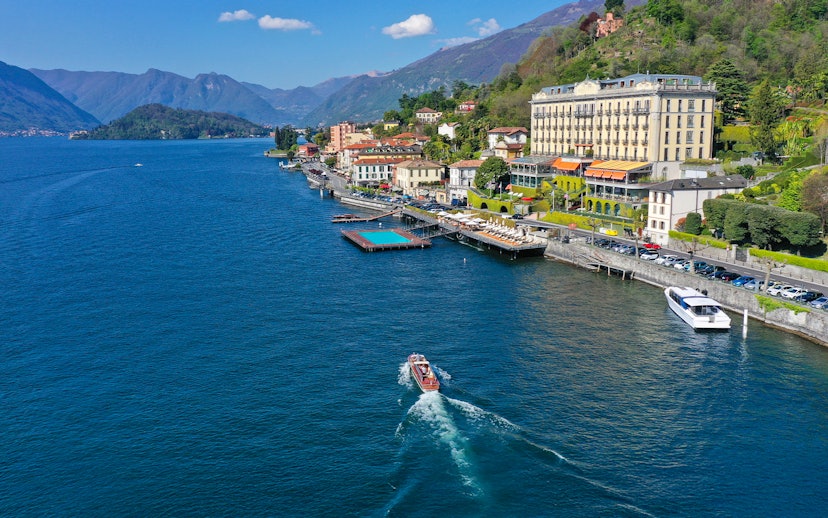
- Grand Hotel Tremezzo – Iconic stay with floating pool and villa views
- Villa d’Este – Historic luxury estate with expansive gardens
- Mandarin Oriental, Lago di Como – Modern luxury with a quieter, private feel
Local tips
- Start early and aim to reach the lake before 10am. The first couple of hours are the calmest you’ll get all day, especially in Bellagio and Varenna.
- If you’re planning your own route, go to your furthest town first, usually Varenna, and then work your way back toward Como. It cuts down ferry backtracking and saves time.
- Don’t try to cover too much. Two towns and one scenic boat ride is a full, well-paced day. Anything more starts to feel rushed.
- Take the slower ferry at least once. It’s more open and scenic than the fast hydrofoils, which are quicker but mostly enclosed.
- Avoid peak lunch hours in Bellagio. Either eat early, after 12pm, or later around 2:30–3pm to skip long waits.
- Carry some snacks. Ferry queues and delays are common, and food options near docks aren’t always quick.
- If you care about views more than food, skip structured lunch plans and eat casually. It gives you more flexibility with ferry timing.
- Check ferry schedules in advance, especially for your return leg. Missing the right connection can cost you a lot of time.
- Even in summer, it feels cooler on the water. A light layer makes a big difference on ferry decks.
- Don’t rush back immediately. A short walk along the lake before leaving is often quieter and more memorable than the busy midday stops.
Frequently asked questions about planning a visit to Lake Como
Not necessarily. The ferry system, trains, and buses connect most towns. A car is helpful for visiting remote villages or mountain areas, but parking can be limited in popular towns.
Boat tours or ferries are essential to see multiple towns easily. Lake Como’s charm is best appreciated from the water. On foot, you can explore within each town, but getting between them without a boat takes longer.
Como is best for easy access from Milan and transport links. Bellagio is scenic and central for boat connections. Varenna, Menaggio, or Tremezzo are quieter and romantic, perfect for relaxed stays.
Top attractions include Villa del Balbianello, Villa Carlotta, Bellagio, Varenna, Como Cathedral, and Brunate funicular. Don't miss a scenic boat tour or lunch by the lake.
Pack comfortable shoes for cobblestone streets, layers for cool evenings, sun protection, and swimwear if visiting in summer. Bring a light raincoat just in case.
Yes, Como city is just 40–60 minutes by train from Milan, making it a popular day trip. For Bellagio or Varenna, allow a full day with early departure and return to make the most of your visit.